
1. Trees for dancing in
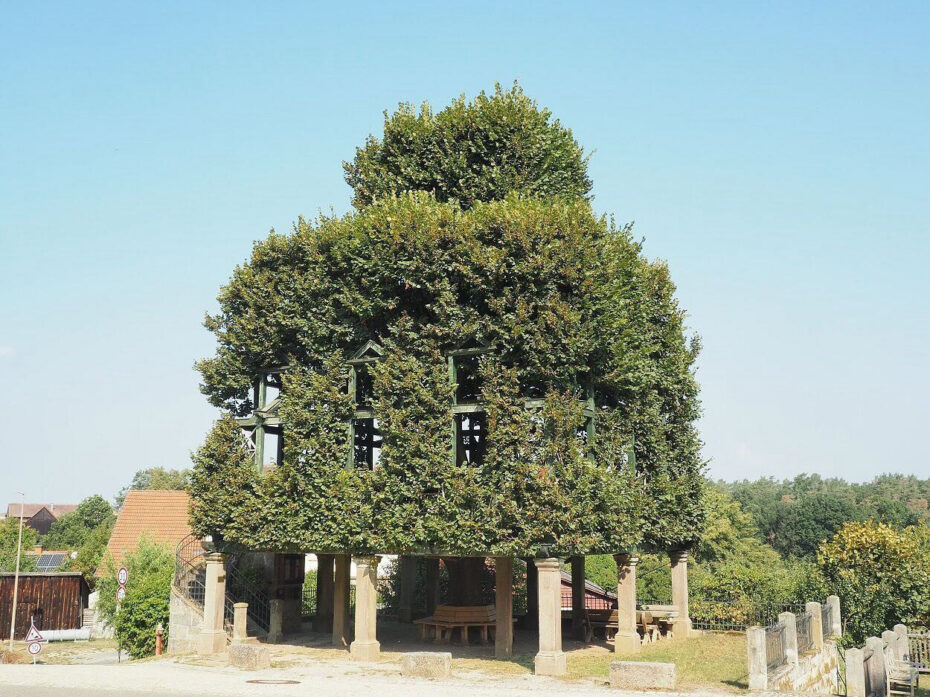
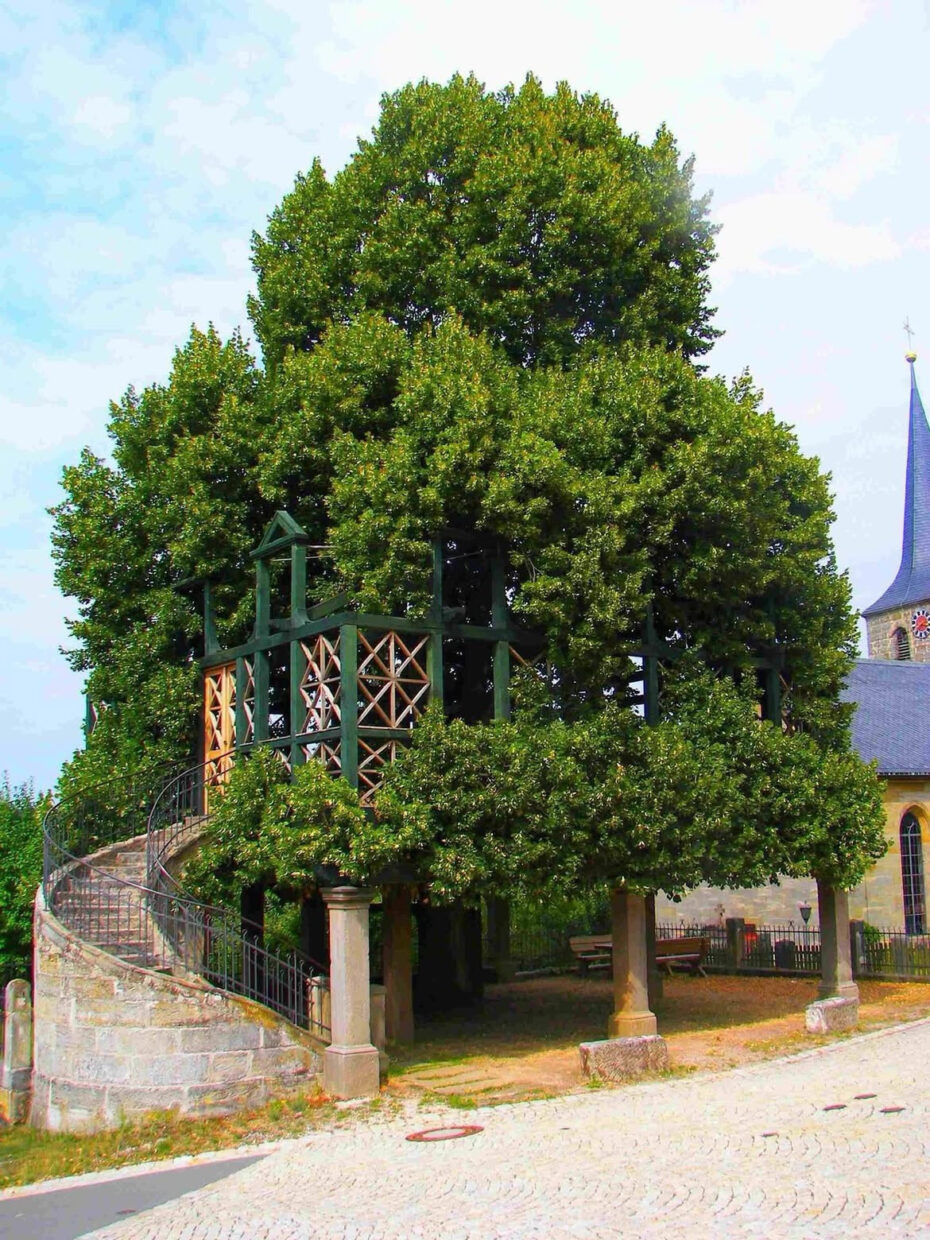
Tanzlinden are trees designed for dancing in. Found across Germany, the oldest is from the 1680s. The branches envelop a platform for meeting & dancing.
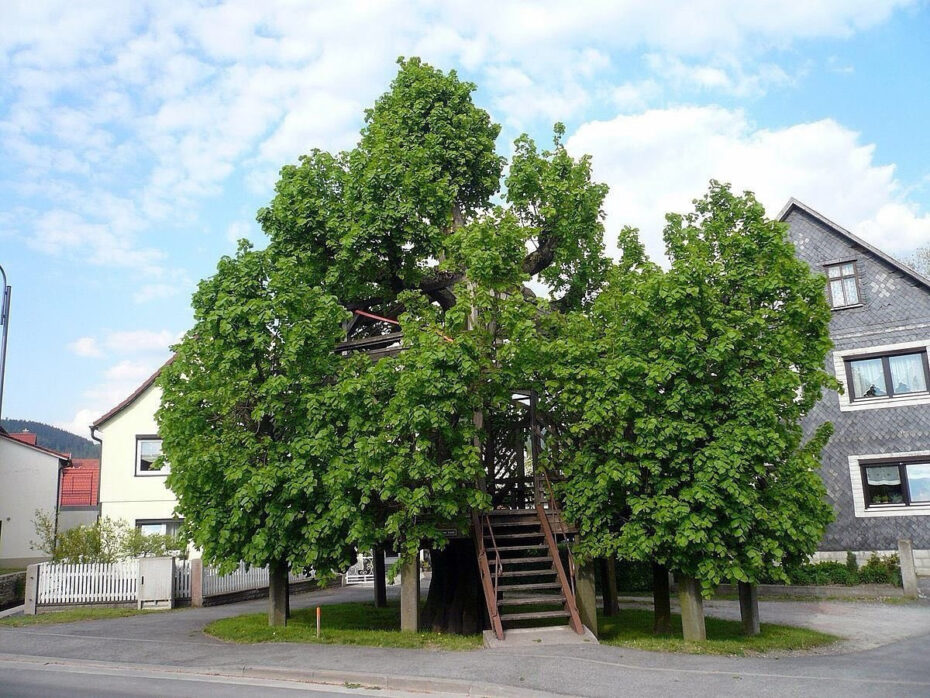
Found on Present & Correct.
2. A spotlight on the sets of Sesame Street
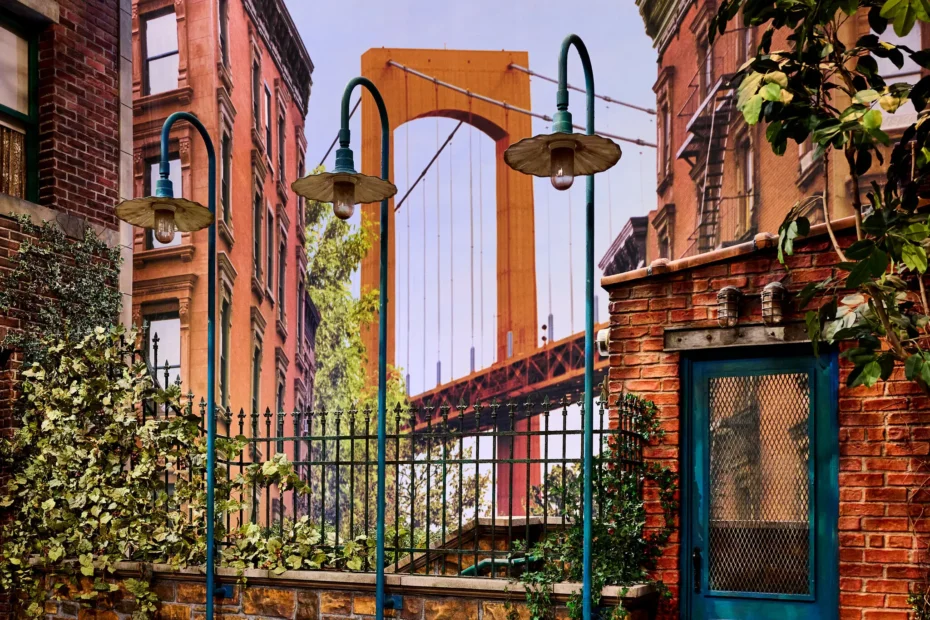
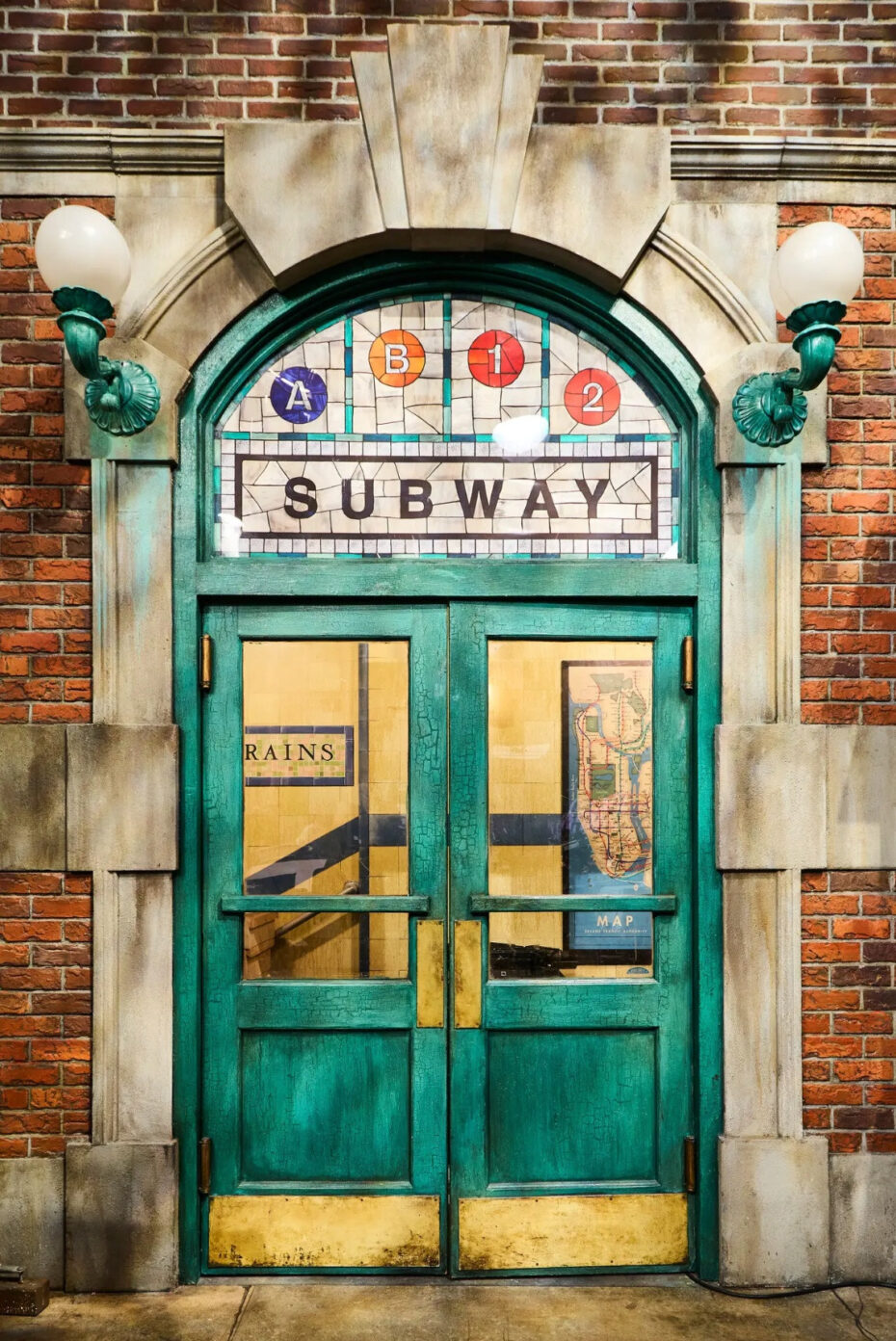

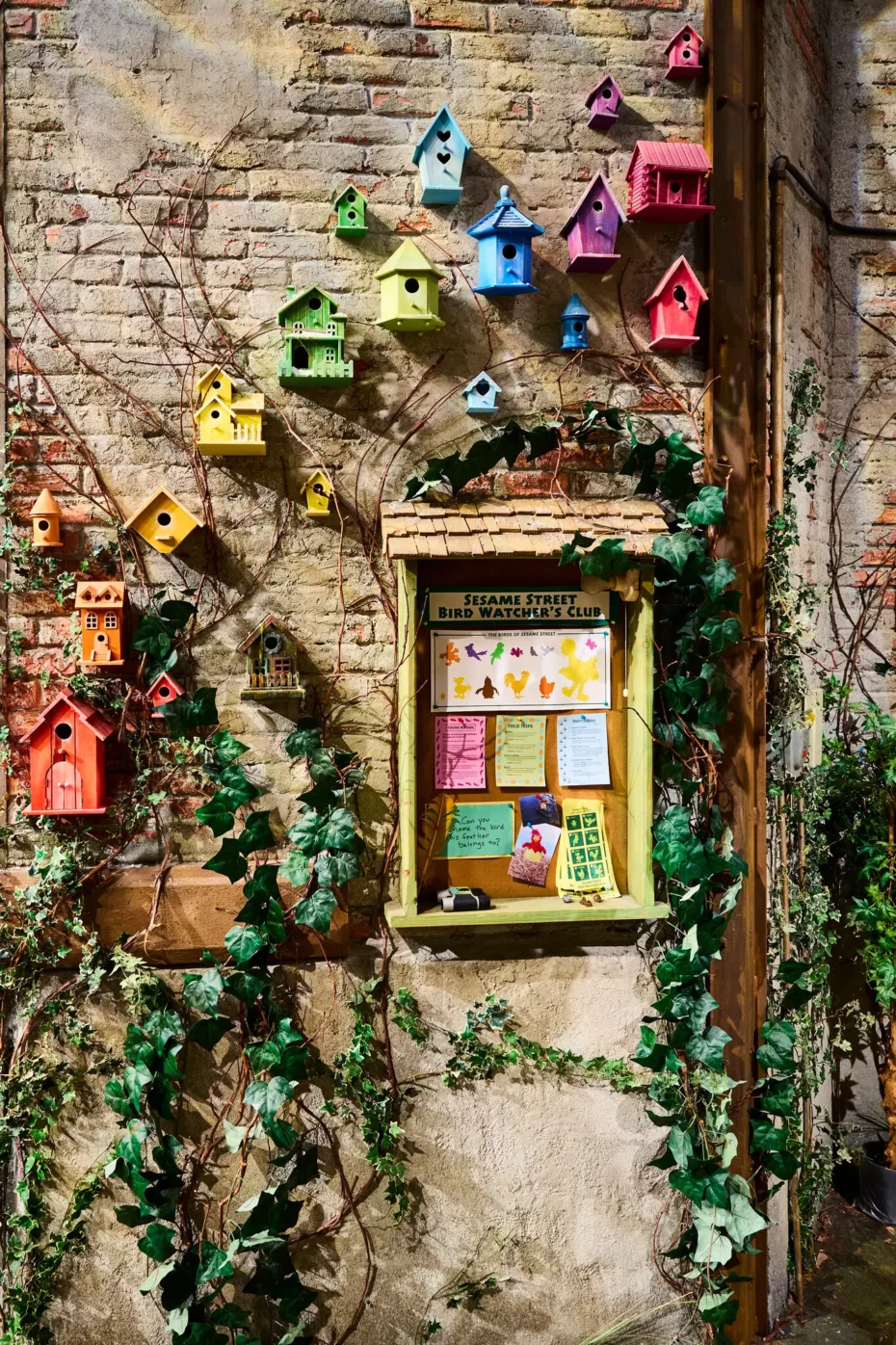
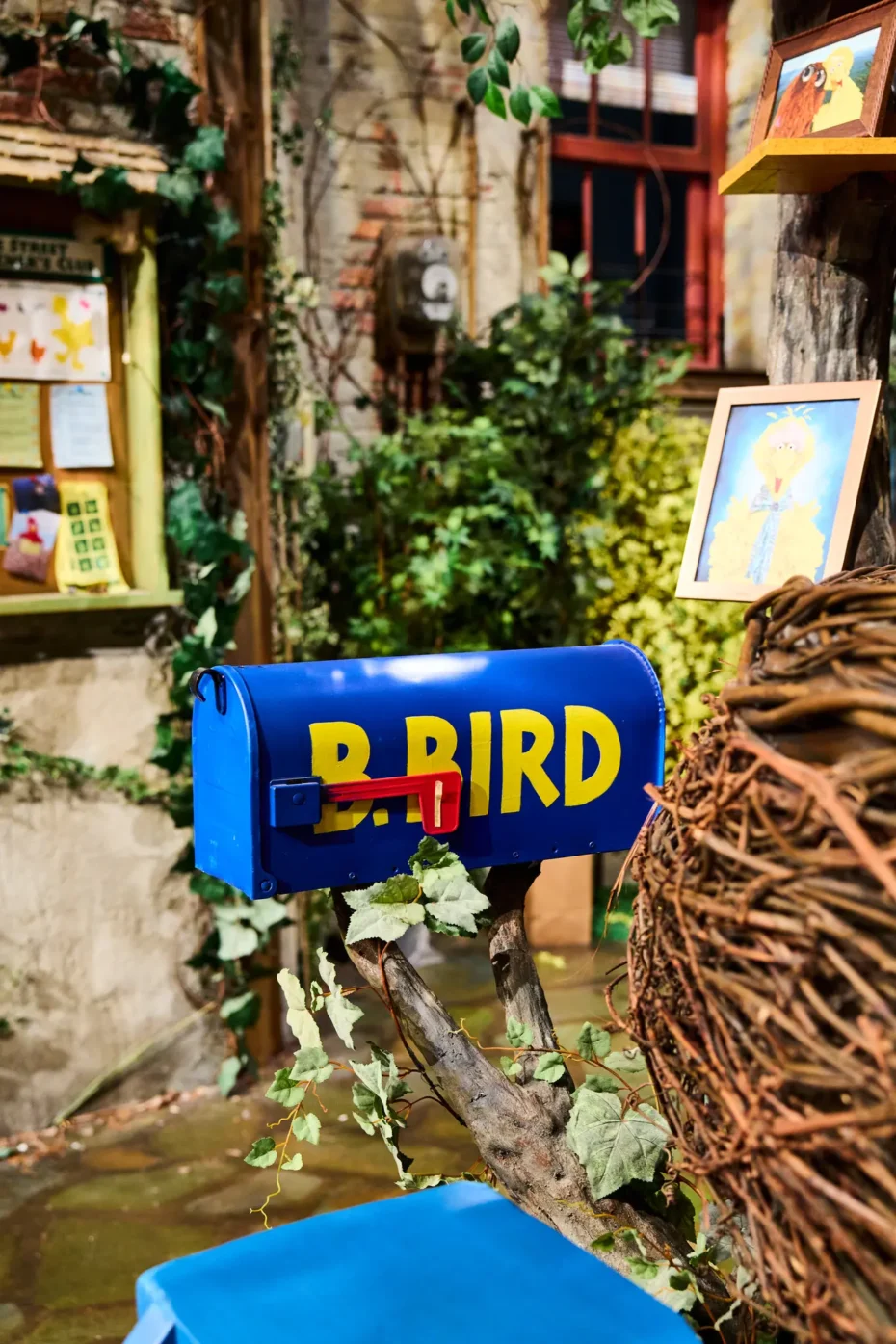


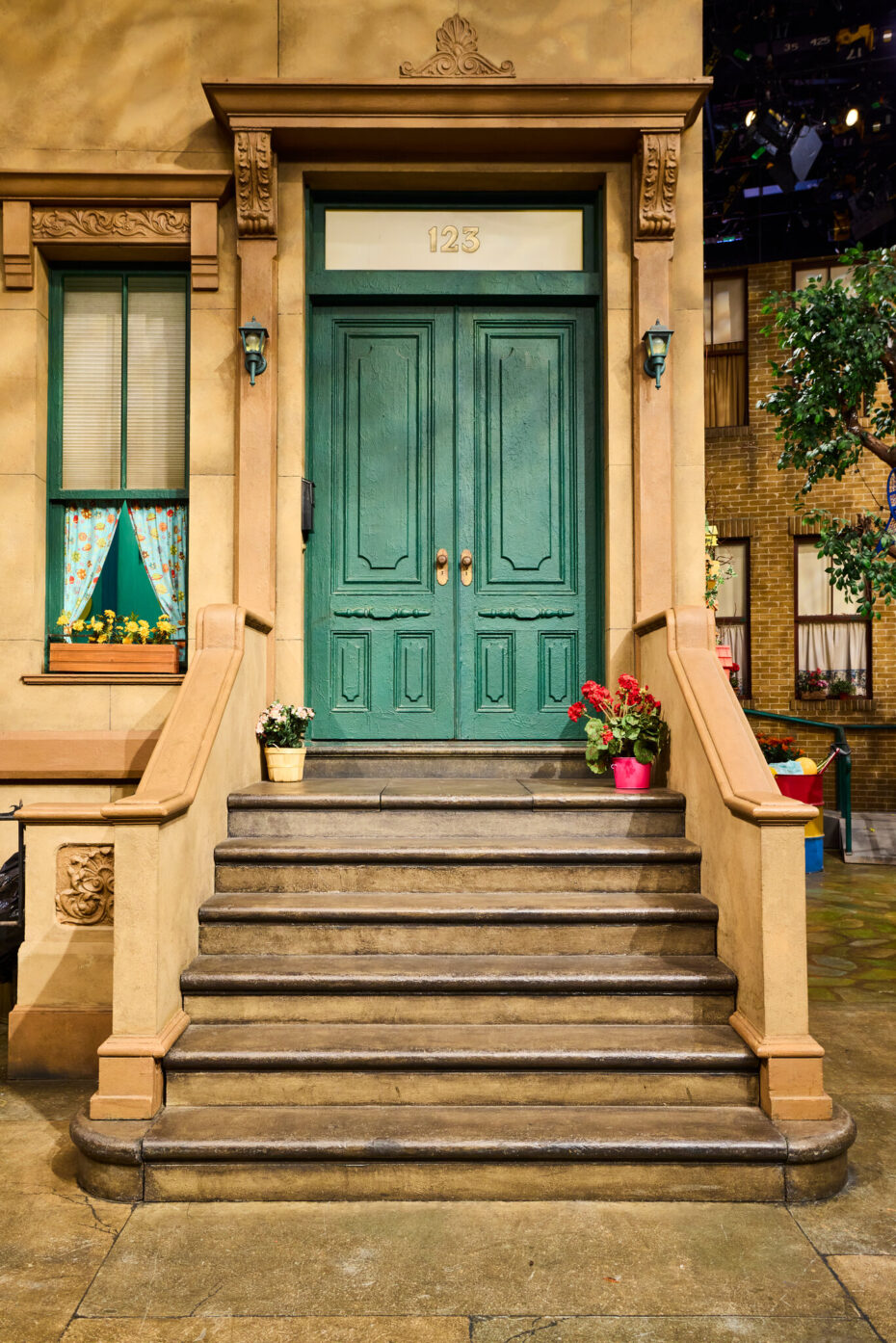
Over its several decades, the show’s setting has always been both realistic and idealistic. And it has evolved, much like the New York City streets that inspired it.
Read the charming (gift) article on the NY Times.
3. The Motormat, a Los Angeles drive-in where the food was sent out on conveyor belts right to your car, 1948
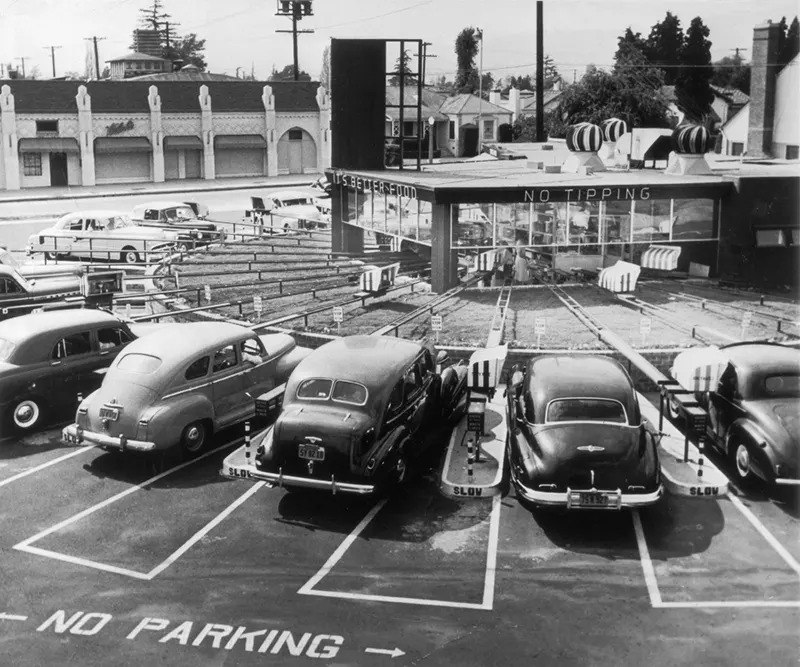

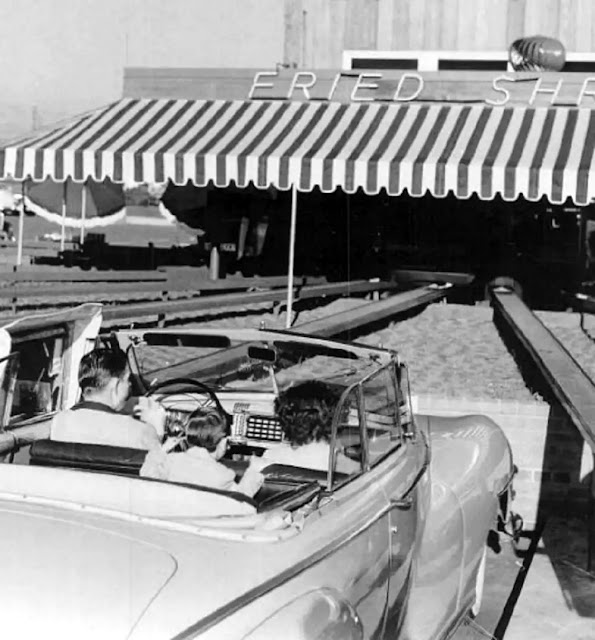
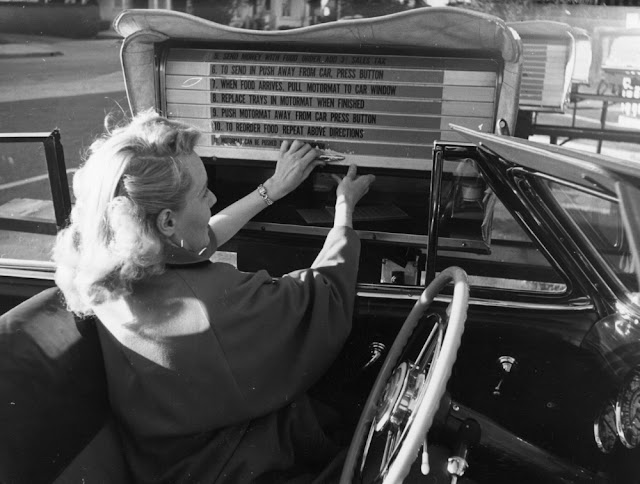

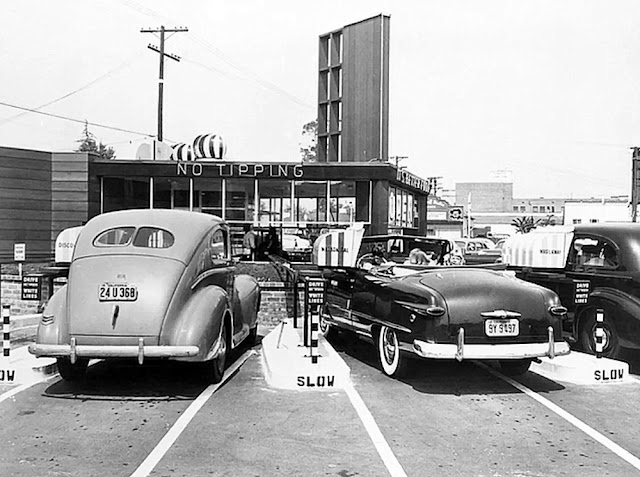
Found on Vintage Everyday.
4. Take an internet Road Trip
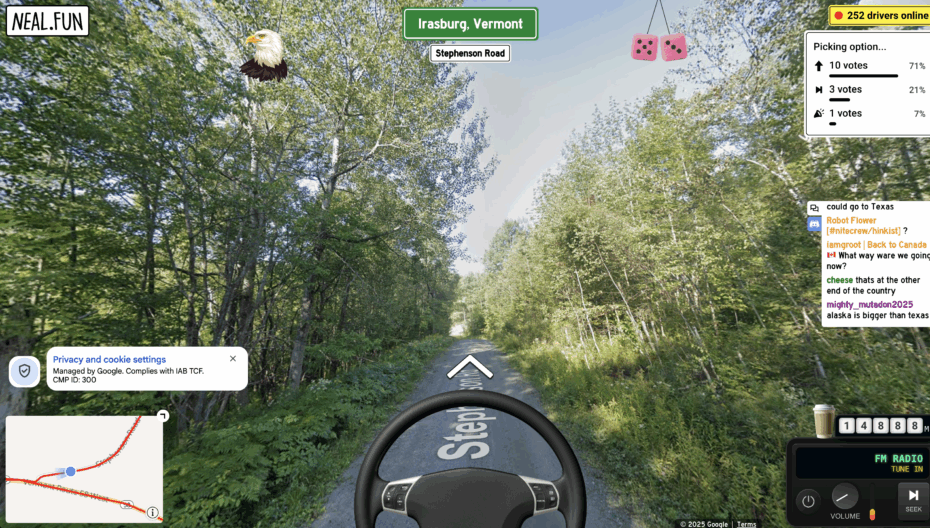
The internet is still a strange and amazing place. Join the road trip here.
5. Air Shorts
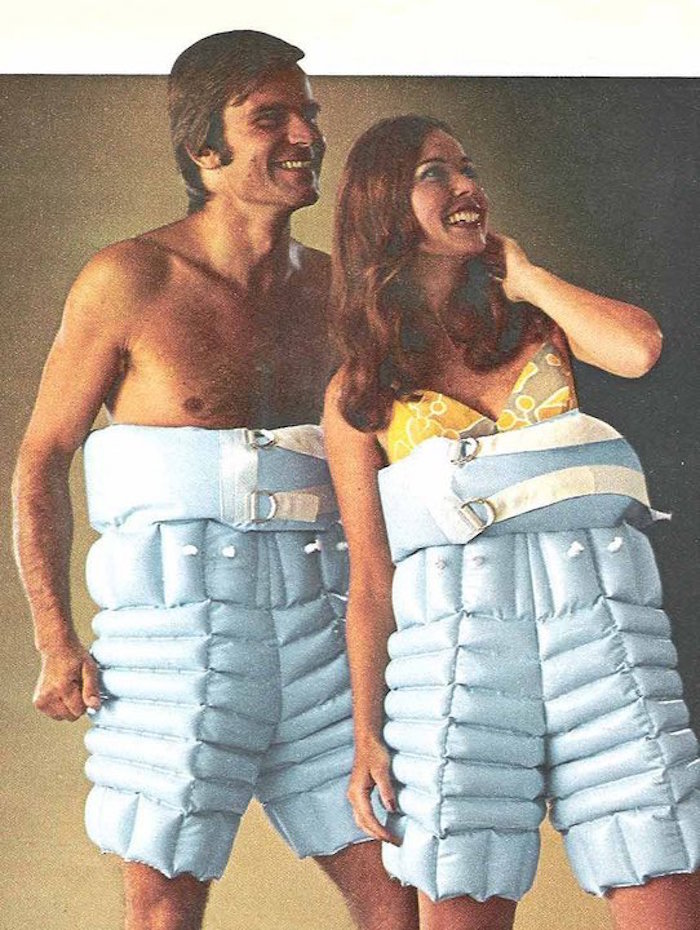

During the 1970s there was a craze toward huge inflatable shorts. The idea was simple: wearing them would help us sweat off unwanted body fat whilst giving a unique massage through trapped air pockets. The downside? They were super uncomfortable and so hot that you would sweat profusely all day. And then there was the strange lack of weight loss. The idea that you can sweat off your blubber is a myth born from the fact that weight class athletes like boxers use saunas to make a certain weight come weigh-in. It’s of course incredibly temporary, designed only to beat the scales for one evening.
Found on Kitschatron.
6. Only a matter of time before a fashion designer brings back the “Poulaine” shoe


Poulaines, also known by other names, were a style of unisex footwear with extremely long toes that were fashionable in Europe at various times in the Middle Ages. The poulaine proper was a shoe or boot of soft material whose elongated toe (also known as a poulaine or pike) frequently required filling to maintain its shape. The chief vogue for poulaines spread across Europe from medieval Poland in the mid-14th century and spread across Europe, reaching upper-class England with the 1382 marriage of Richard II to Anne of Bohemia and remaining popular through most of the 15th century. Sturdier forms were used as overshoes and the sabatons of the era’s armor were often done in poulaine style.
Poulaines were periodically condemned by Christian writers of the time as demonic or vain. Kings of the era variously taxed them as luxuries, restricted their use to the nobility, or outright banned them.
Archaeological evidence indicates that poulaines were a medical liability. Digs at high-status cemeteries have shown that people likely to have worn the shoes quadrupled their risk of bunions and broken bones from falls.
After becoming more common as women’s footwear and expanding to awkward lengths, poulaines fell from fashion in the 1480s and were seldom revived, although they are considered an influence on some later trends such as the 1950s British winklepicker boots.
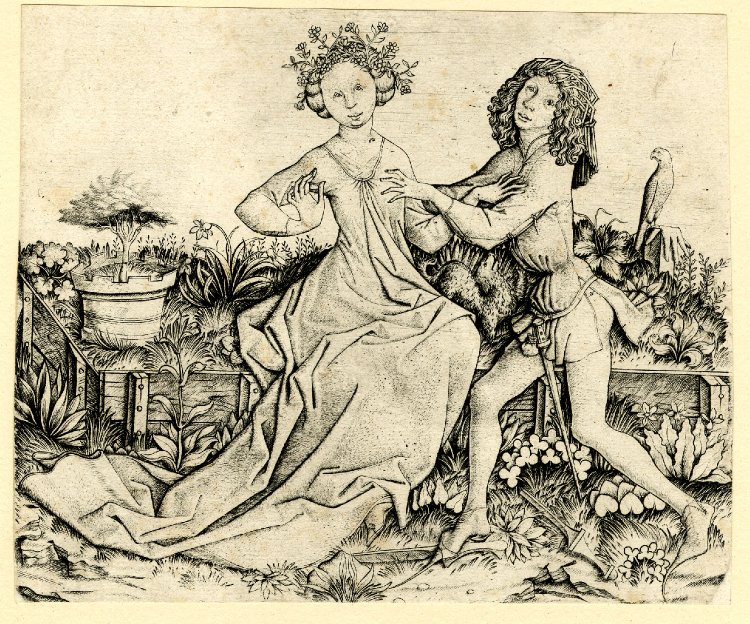
More found on Wikipedia.
7. The night the stars fell in 1833
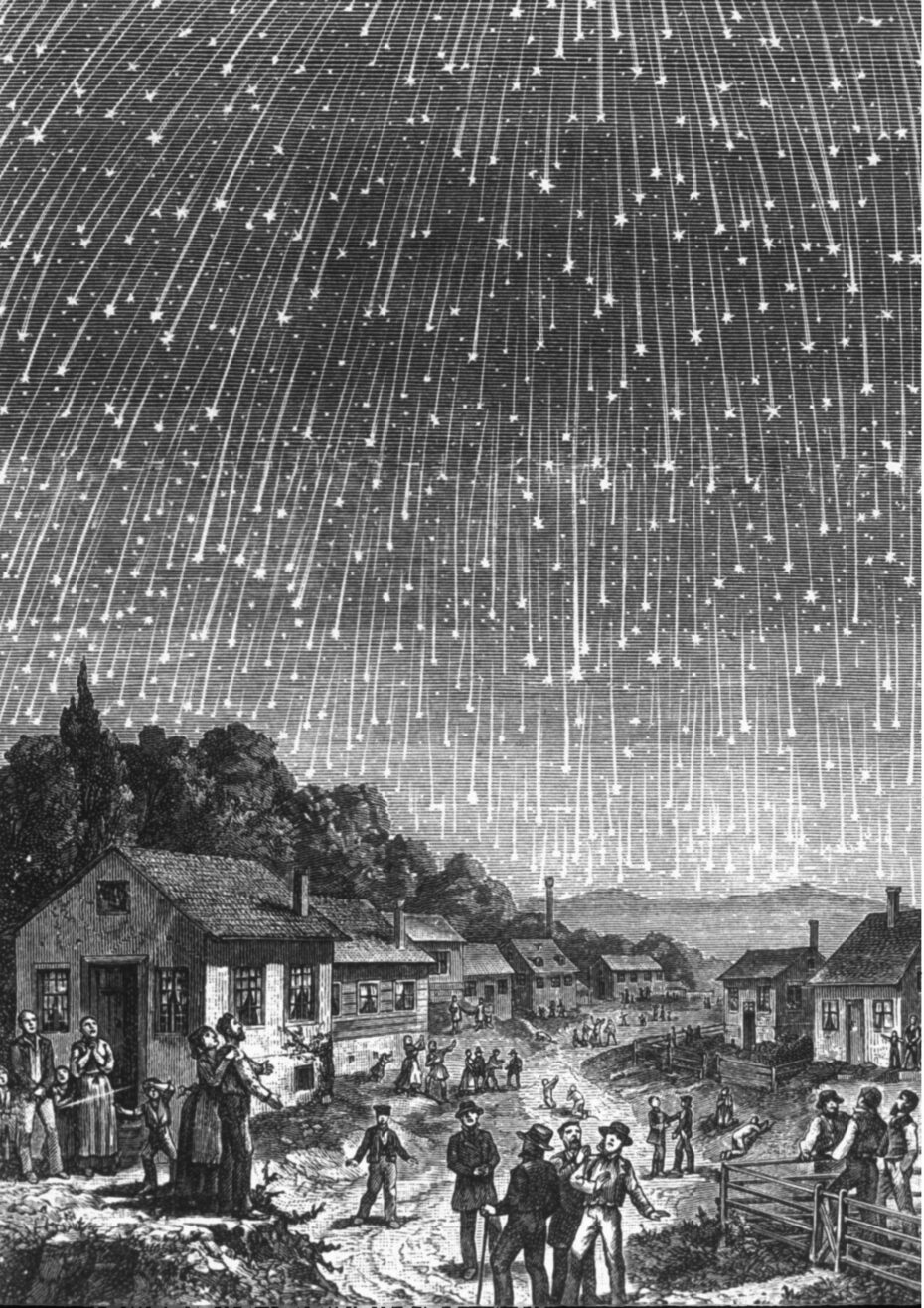
On November 12, 1833, there was a meteor shower so intense that it was possible to see up to 100,000 meteors crossing the sky every hour. At the time, many thought it was the end of the world. It inspired this woodcut by Adolf Vollmy.
Found on Wikimedia Commons.
8. An incomplete list of things Jane Austen disliked
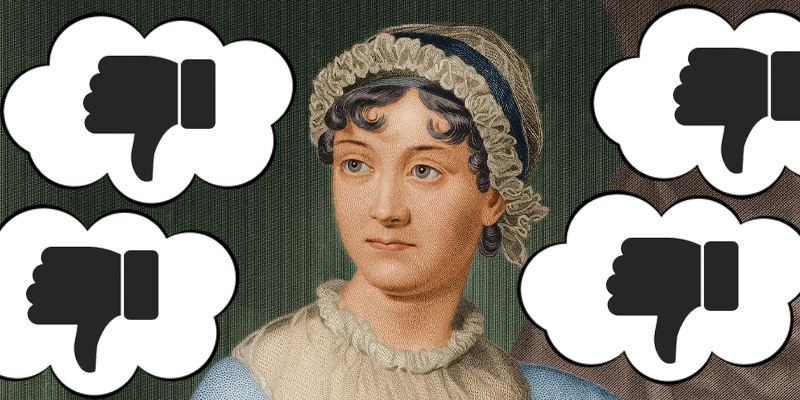
Famously, Jane Austen disliked Bath, both when she visited it in 1799 and when she moved there with her family in 1801. But Bath loves Jane Austen: the city is now home to the Jane Austen Center, an annual Jane Austen Festival, and many other touristy delights. For Austen’s 250th birthday this year, the city is presenting, among other things, an exhibition about Austen’s distaste for it, entitled “The Most Tiresome Place in the World: Jane Austen & Bath.” Know thyself! Anyway, it made me wonder what else Jane Austen found tiresome, and it turns out, quite a bit. (Same.) Here are a few things your favorite writer did not prefer.
9. Riley Sheehey hand paints the covers of small vintage books






Her website is here.
10. Macro photographs of phasmid eggs by Levon Biss
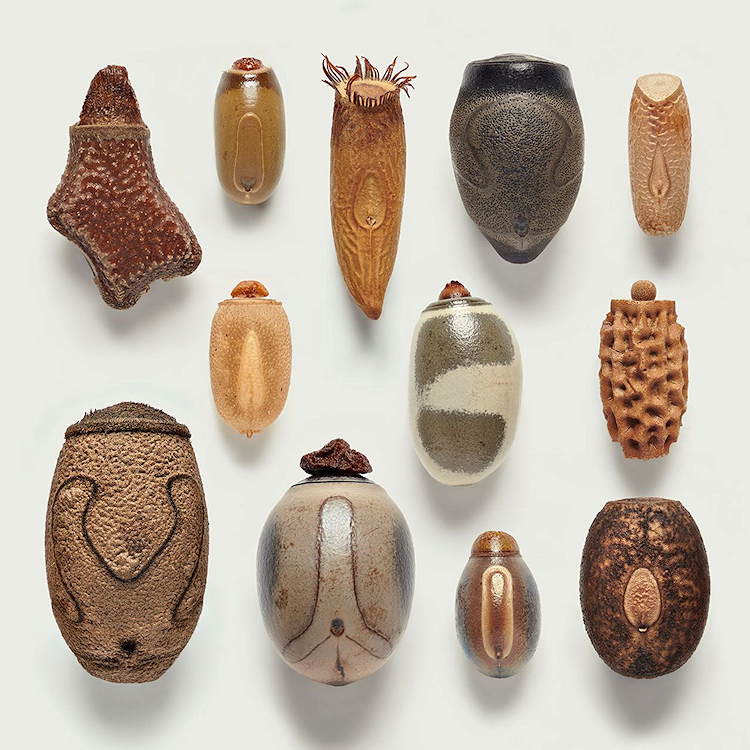
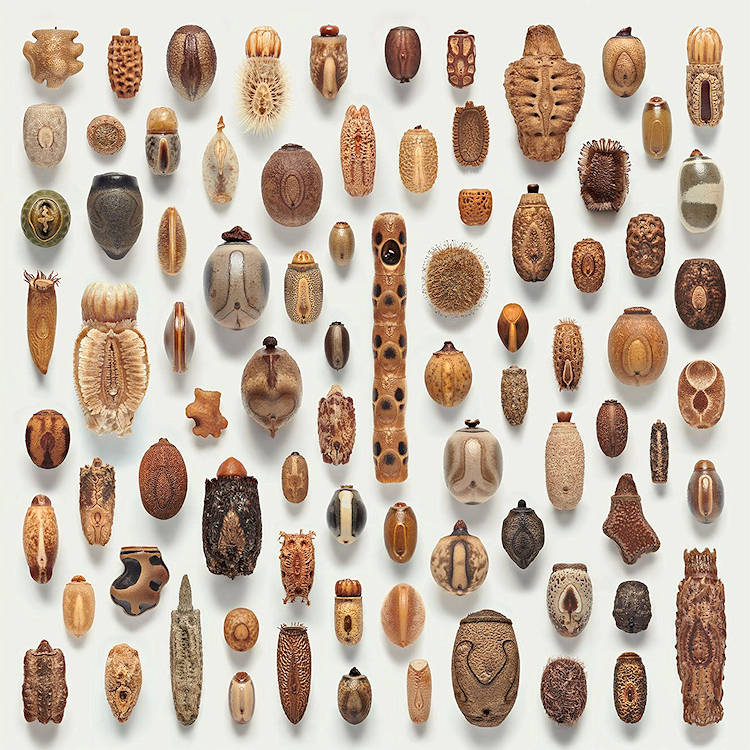
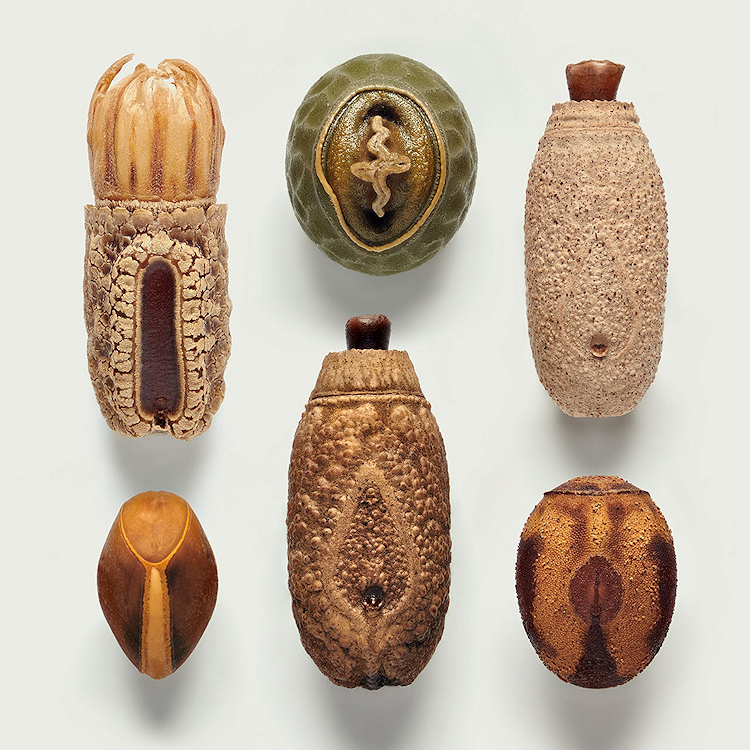
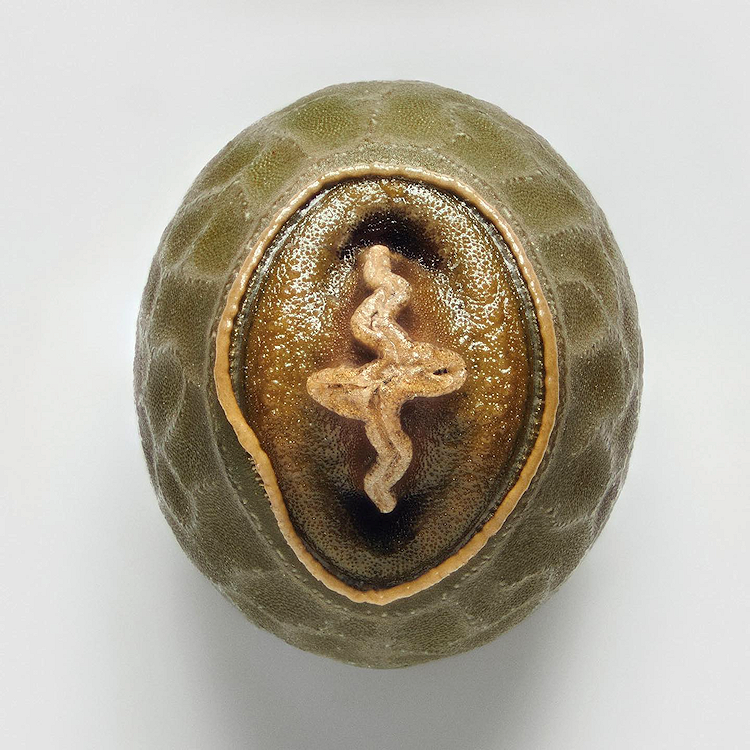
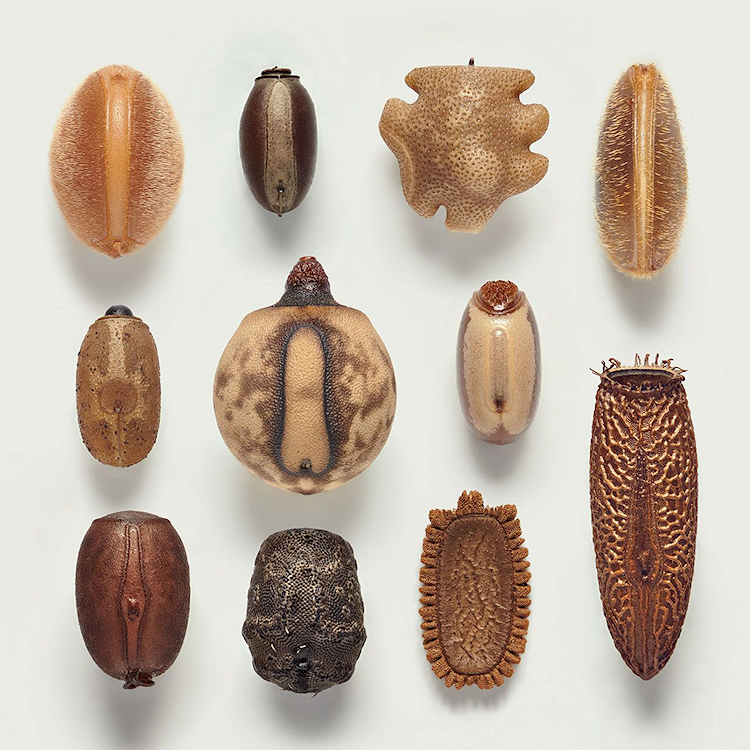
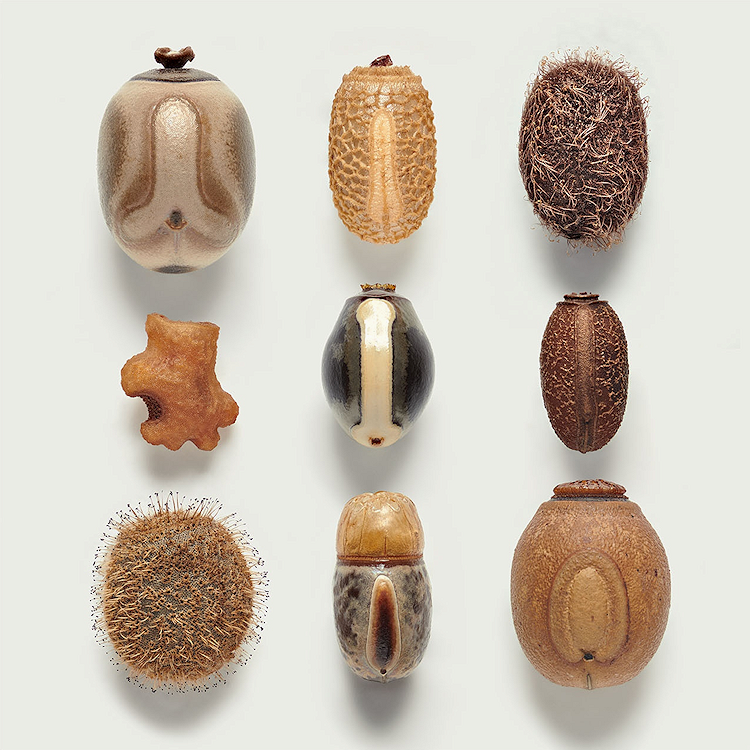
The Phasmatodea are an order of insects whose members are variously known as stick insects, stick-bugs, walking sticks, stick animals, or bug sticks. They can be generally referred to as phasmatodeans, phasmids, or ghost insects, with phasmids in the family Phylliidae called leaf insects, leaf-bugs, walking leaves, or bug leaves. The group’s name is derived from the Ancient Greek φάσμα phasma, meaning an apparition or phantom, referring to their resemblance to vegetation while in fact being animals.
To view more of Biss’ amazing work and/or to buy prints of his photographs, visit the Levon Biss Studio website.
11. Never not looking for a vintage portrait painting featuring beautiful Indian shawls
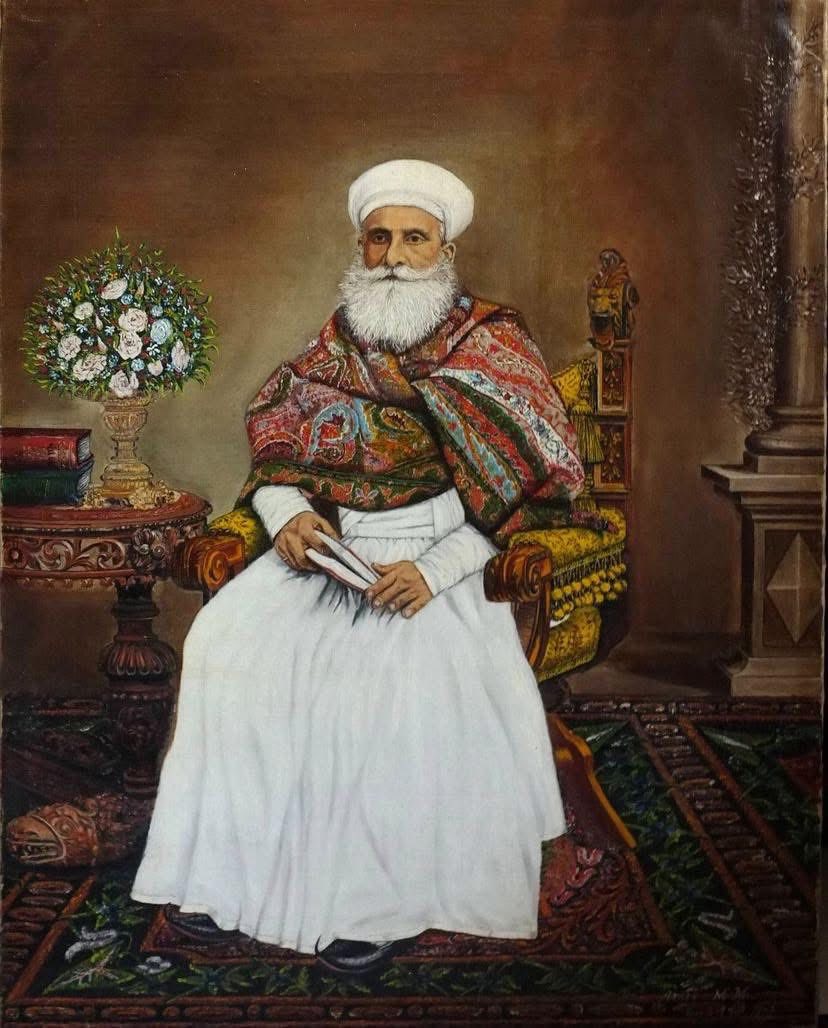



I saw a beautiful painting like these at a friends house once, and I’ve always got my eye out for one at flea markets, still unsuccessful as of yet. These are some beauties I have pinned on Pinterest.
12. The Mosaic bath houses of Japan
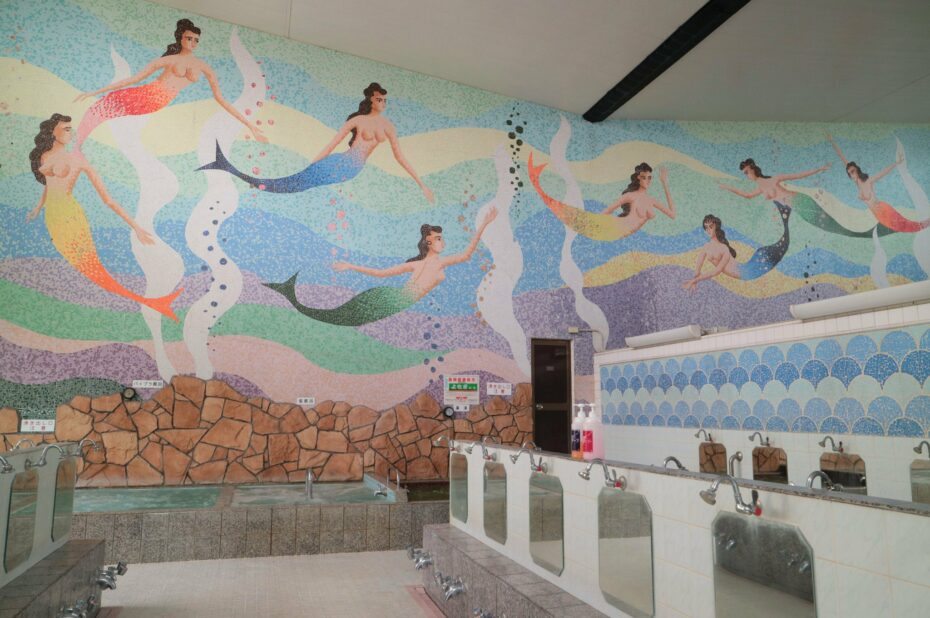
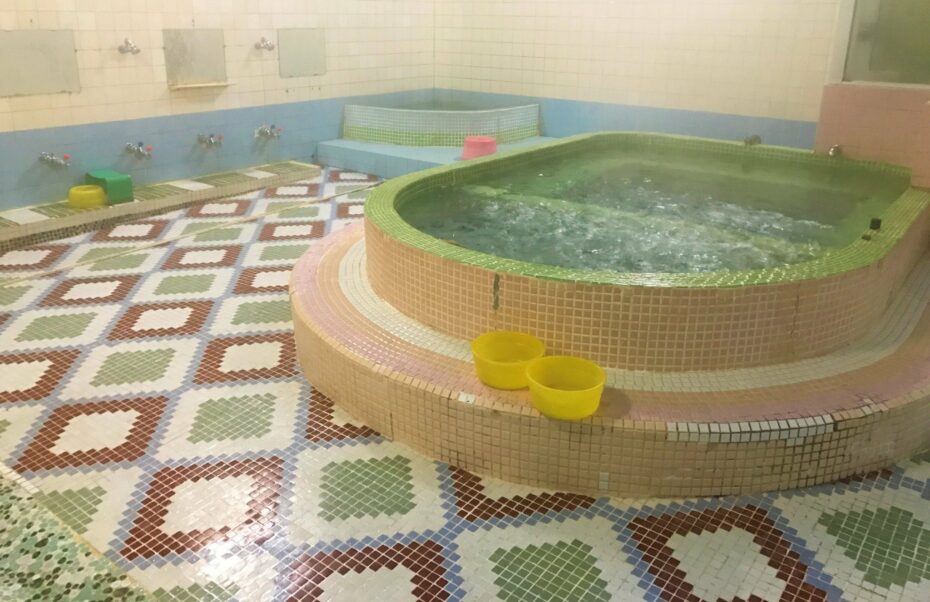
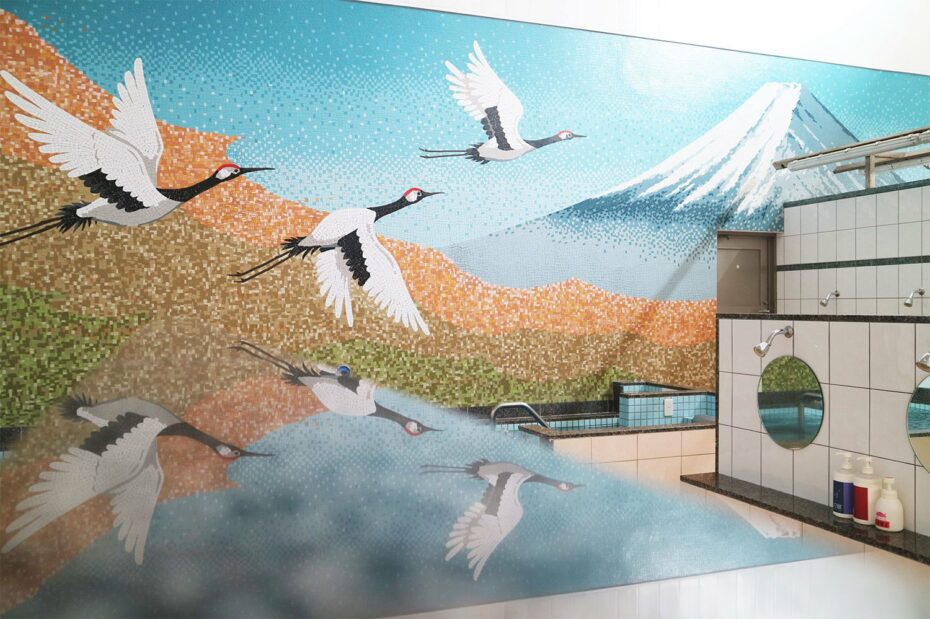
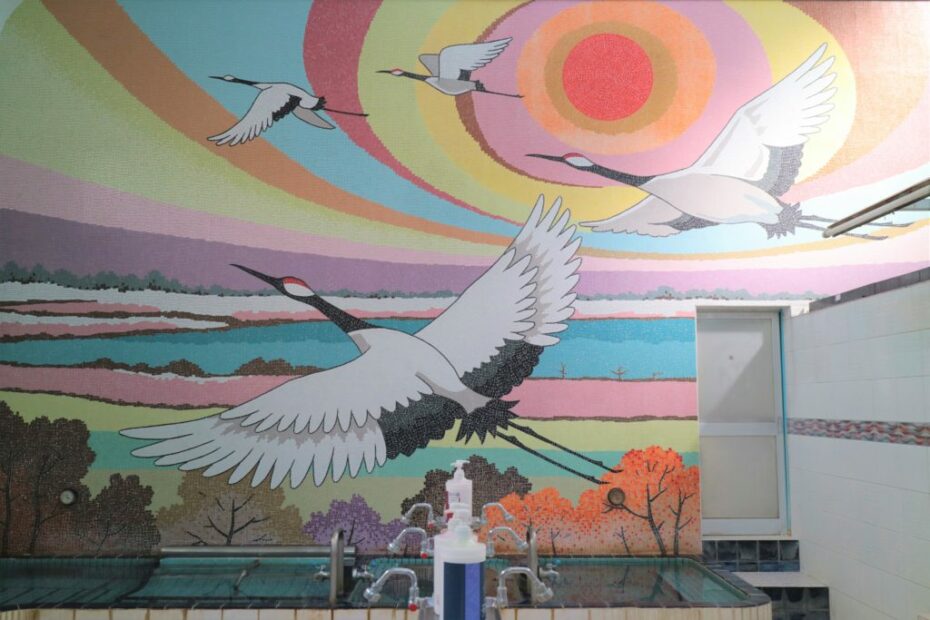
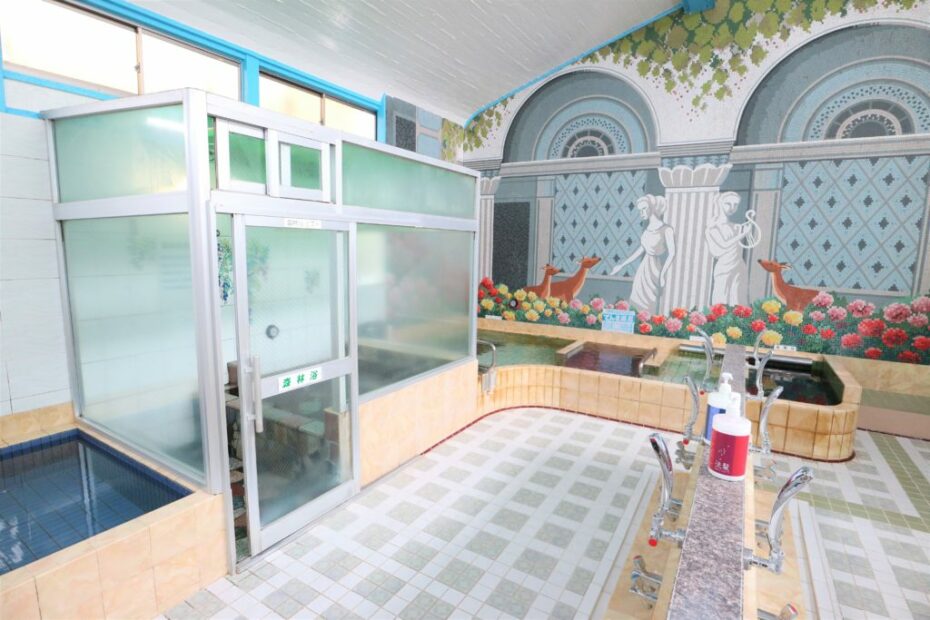
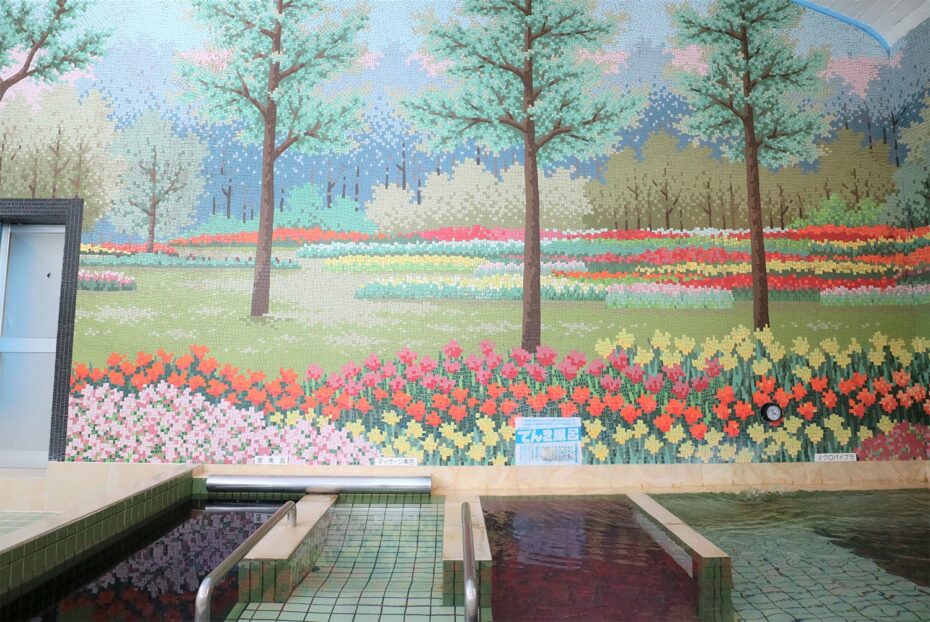
Dokodemo Sento is a website about sento (bath houses) in Japan